
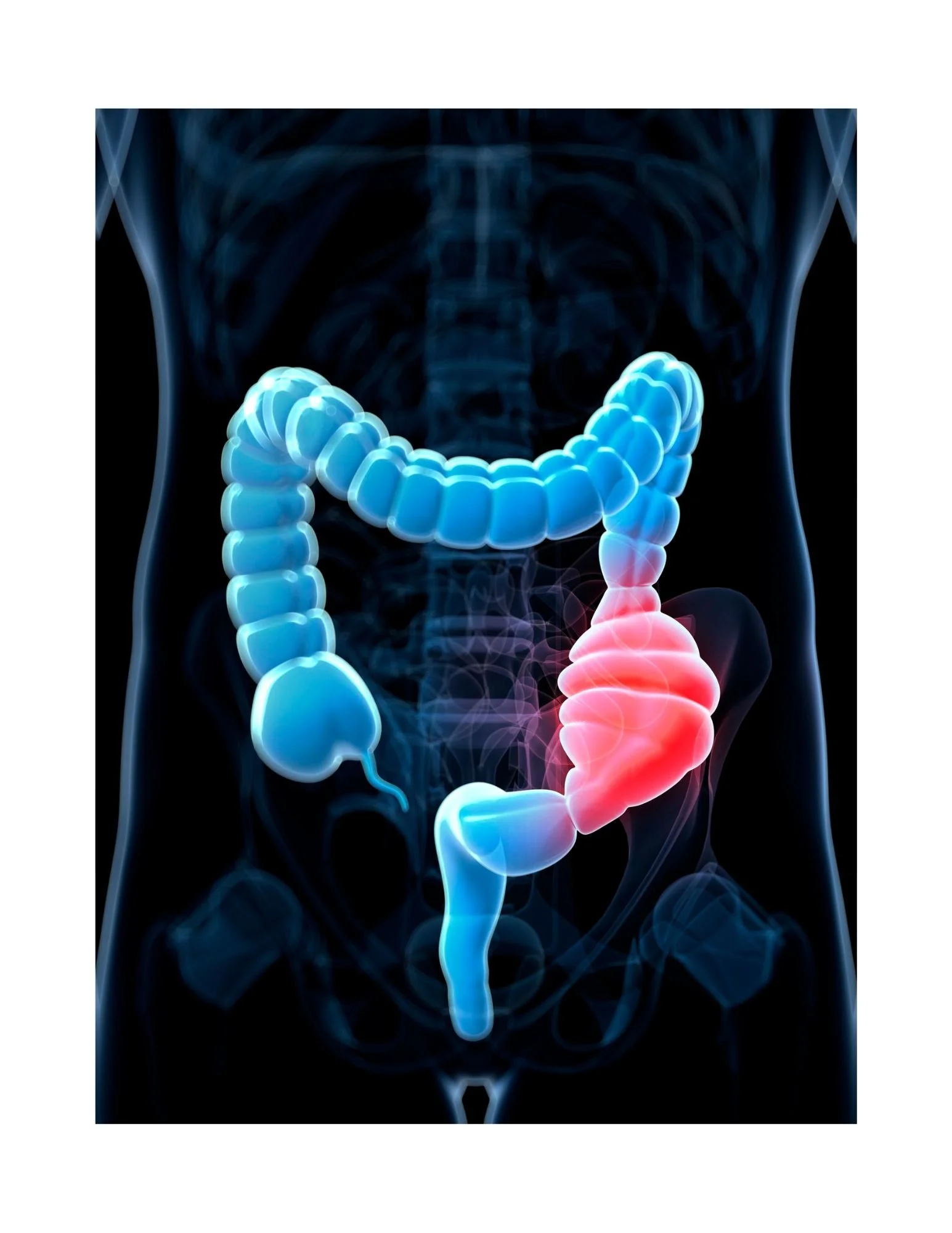
Constipation is a common issue that affects many people. While hydration and fiber intake play vital roles, an overlooked cause of constipation can be pelvic floor dysfunction. Technically, constipation is defined as having fewer than three bowel movements per week, often associated with straining or a sense of incomplete evacuation. A normal range is generally considered anywhere from three bowel movements per day to three per week.
To have a bowel movement, your pelvic floor muscles must be able to relax. If these muscles have trouble relaxing or have poor coordination, passing stool becomes difficult. This can lead to chronic straining, which can weaken or damage the pelvic floor over time and potentially contribute to conditions like prolapse.
Common symptoms of constipation that may be linked to the pelvic floor include chronic straining, hemorrhoids, incomplete evacuation, pelvic pain, and frequent use of laxatives or stool softeners.
Pelvic floor therapy addresses constipation through a comprehensive approach. This can include a thorough evaluation of pelvic floor function and coordination alongside a full-body assessment of hip and spinal mobility; manual therapy to improve muscle function, release tension, and support mobility; and personalized movements based on your assessment findings.
Care also includes holistic education around diet, hydration, sleep, stress management, and relaxation techniques. We discuss behavioral habits such as proper toileting posture, establishing a routine, and the importance of thoroughly chewing your food. By assessing your body and identifying your specific needs, we can tailor a treatment plan to improve symptoms and quality of life. If you struggle with constipation and believe it may be connected to your pelvic floor, please contact us to schedule an evaluation and start your journey toward relief.
