Leaking During Sport Isn’t a Strength Problem
Leaking with running, jumping, or lifting is common for athletes, but it is not simply a sign that your pelvic floor needs more strength.
Read Leaking During Sport Isn’t a Strength Problem
Pelvic health & postpartum physical therapy · Saratoga Springs, NY
info@poppyphysicaltherapy.com Let's work together
The Poppy journal
A library of practical, compassionate education from Emily Dumont, PT, DPT. Start wherever your questions are.
Leaking with running, jumping, or lifting is common for athletes, but it is not simply a sign that your pelvic floor needs more strength.
Read Leaking During Sport Isn’t a Strength ProblemPain with sex is common, but it is not something you have to accept. Understanding the contributors can be the first step toward more comfort and confidence.
Read Pain During Intercourse Is Not NormalFor people with Ehlers-Danlos Syndrome, physical therapy often needs to account for joint stability, inflammation, autonomic symptoms, and pain sensitivity from the start.
Read Why Physical Therapy for EDS Can't Follow the Standard PlaybookYou do not have to wait until your six-week postpartum appointment to receive gentle, individualized pelvic floor support.
Read When Should You Start Pelvic Floor Physical Therapy After Birth?Whether you delivered six weeks ago or six years ago, your body deserves the chance to recover well and feel strong again.
Read 5 Things Every Mom Should Know About RecoveryA hip drop during single-leg balance can reveal how your feet, hips, core, diaphragm, and pelvic floor are sharing the work of stability.
Read What Does a Hip Drop During Single-Leg Balance Have to Do With Your Pelvic Floor?Balance is more than staying upright. It shows how your pelvic floor, core, diaphragm, hips, and feet work together to support movement.
Read Your Balance is Telling You More than You ThinkA pelvic floor evaluation helps identify how your muscles are functioning and the whole-body factors that may be driving your symptoms.
Read Why is a pelvic floor evaluation so valuable?Pregnancy does not always create dysfunction. Often, it reveals movement patterns and compensations that your body could previously manage.
Read Why Do Some People Have Pain During Pregnancy While Others Don't?Gait analysis reveals how your feet, hips, core, and pelvic floor work together, helping uncover the root cause of symptoms rather than simply treating them.
Read Why Gait Analysis Matters for Pelvic Floor HealthLeaking with running is common but complex. Understanding the contributing factors is the first step toward running with confidence again.
Read Why Do I Leak When I Run?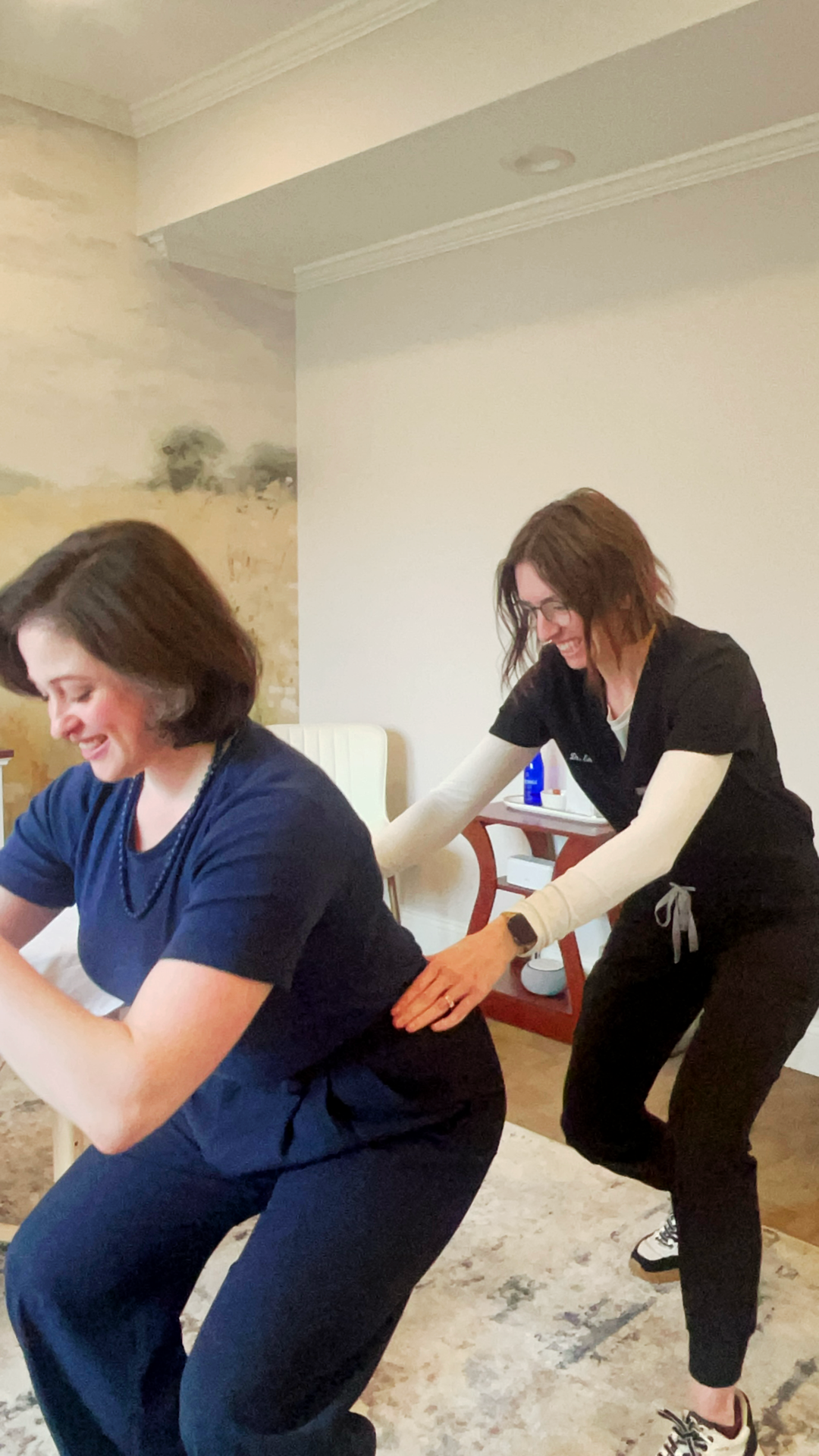
Your first pelvic floor visit starts with your story, your goals, and a clear understanding that your care is always individualized and optional.
Read What Should You Expect at Your First Pelvic Floor Visit?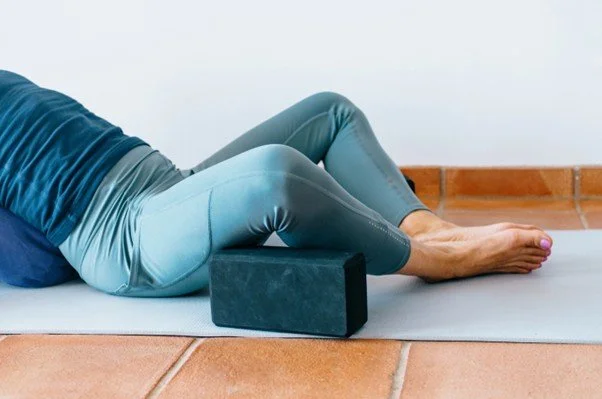
Pelvic floor health is not only about strength. The ability to relax, lengthen, and coordinate with your breath is just as vital.
Read Pelvic Floor Relaxation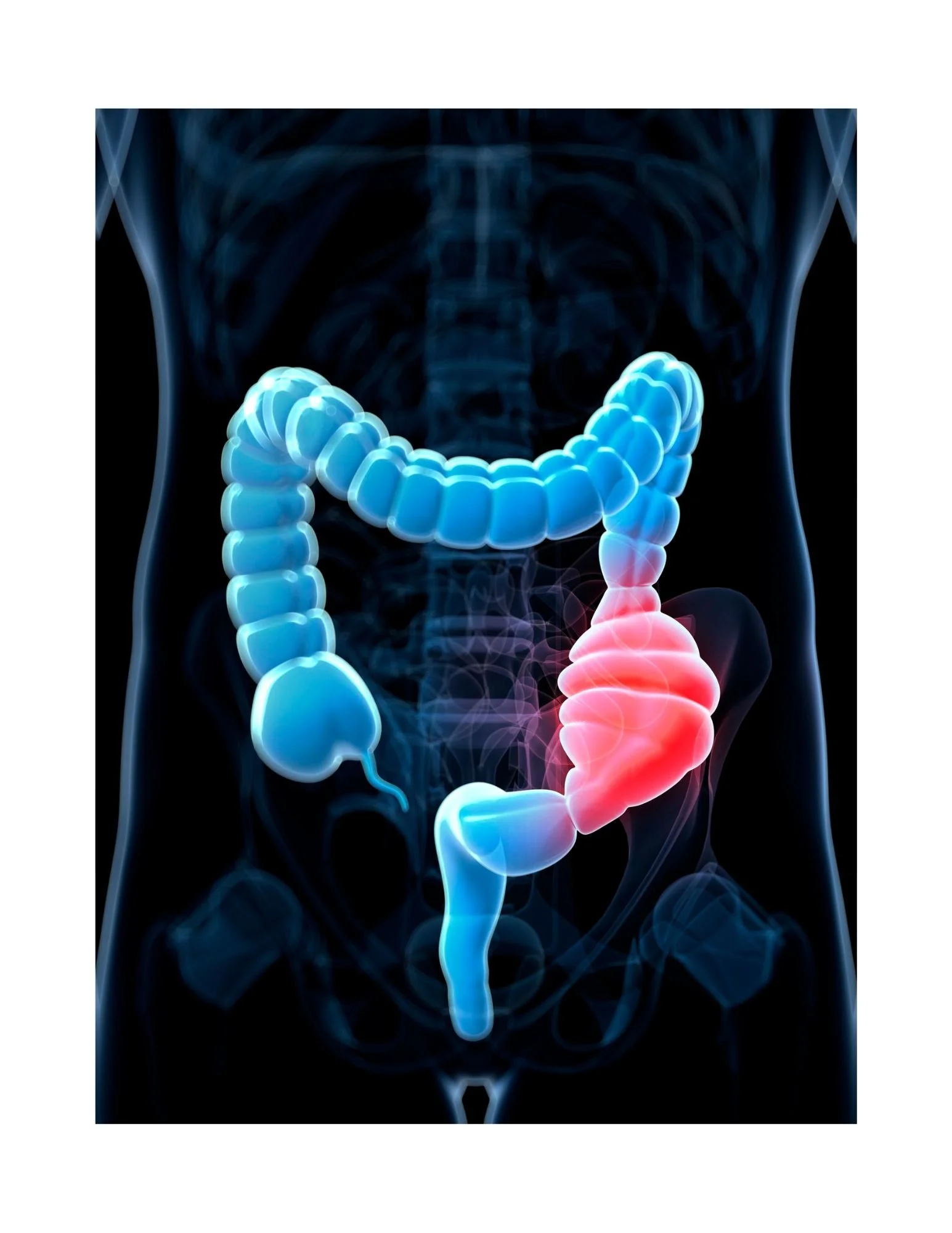
Constipation is common, and pelvic floor dysfunction can be an overlooked contributor when muscles have trouble relaxing and coordinating.
Read Let’s Talk Constipation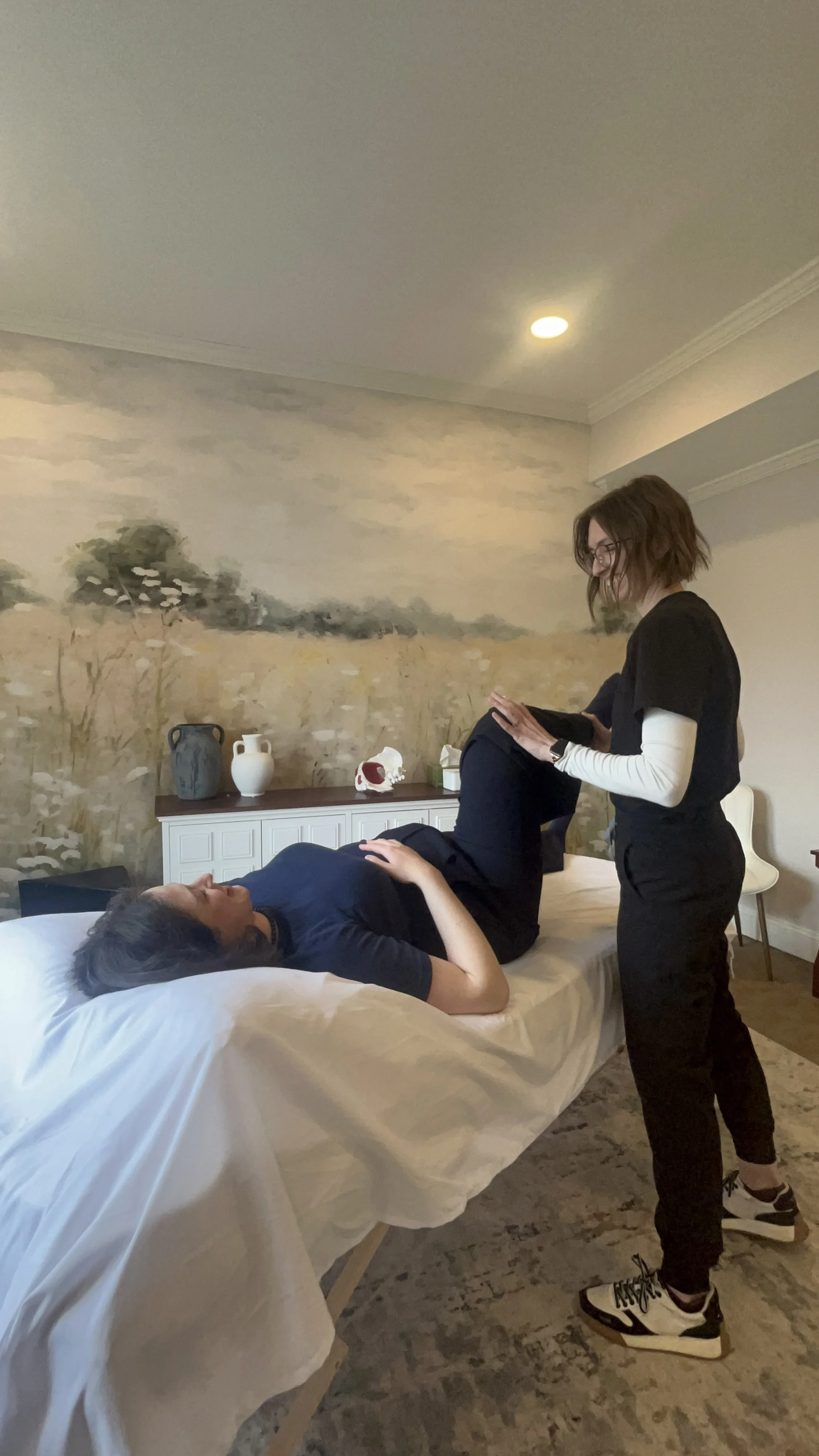
Stress urinary incontinence is common, but bladder leakage during everyday activity is not something you have to accept as normal.
Read Leaking with Coughing and Sneezing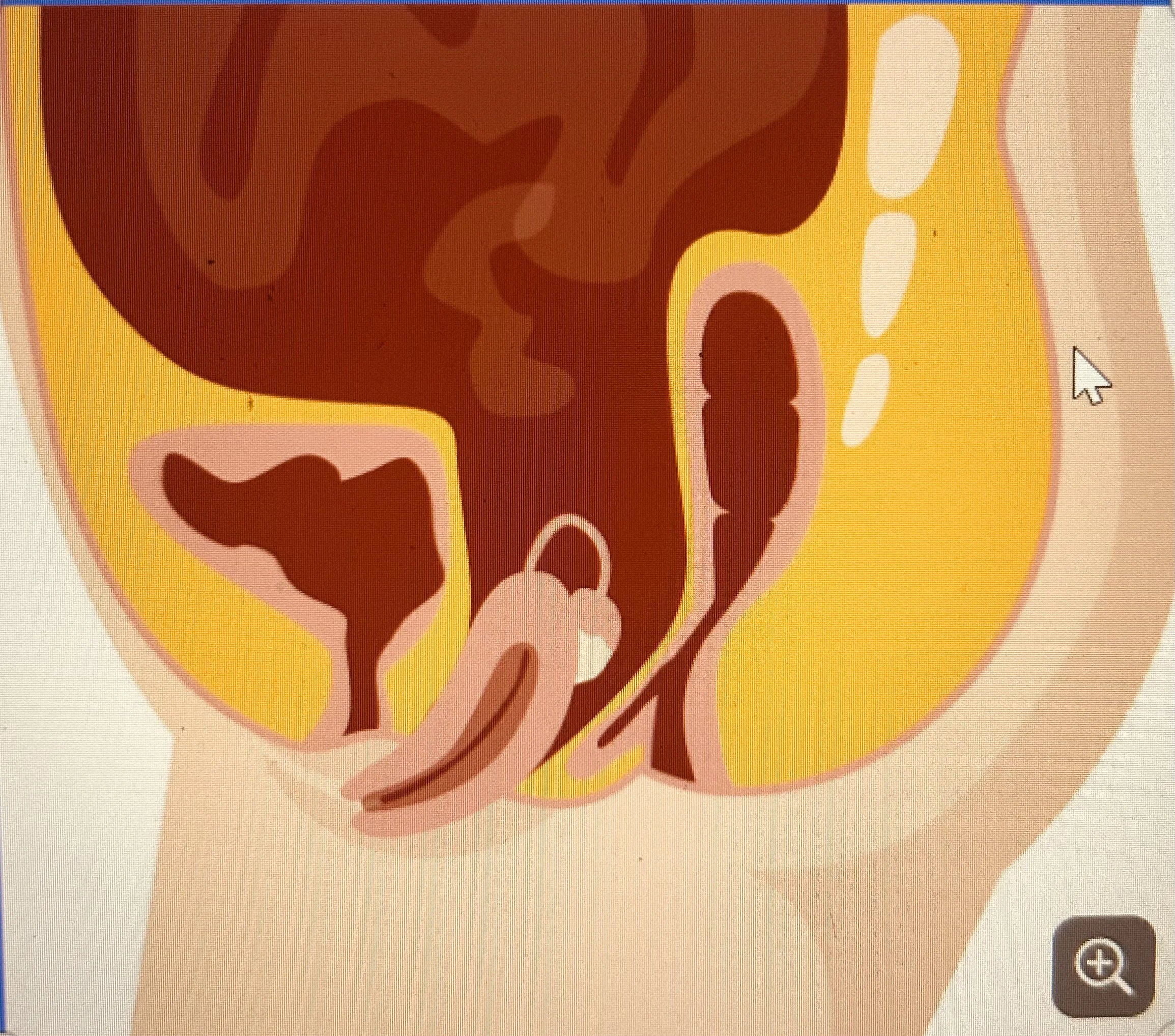
Pelvic organ prolapse is common, treatable, and nothing to face alone. Individualized physical therapy can help you understand symptoms and build confidence.
Read Pelvic Floor Therapy and Prolapse
Emily’s own pelvic floor recovery shaped her path to becoming a therapist who helps people move beyond symptoms with care and understanding.
Read More About Emily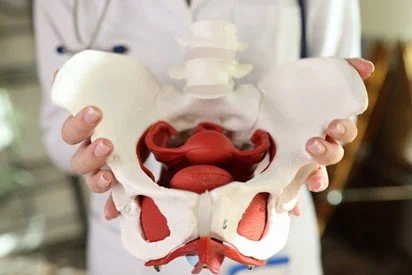
Pelvic floor issues affect up to 1 in 3 women and men too. Pelvic floor physical therapy is specialized treatment for the muscles, ligaments, nerves, and connective tissue across the pelvis.
Read What Is Pelvic Floor Physical TherapyStill have a question?