
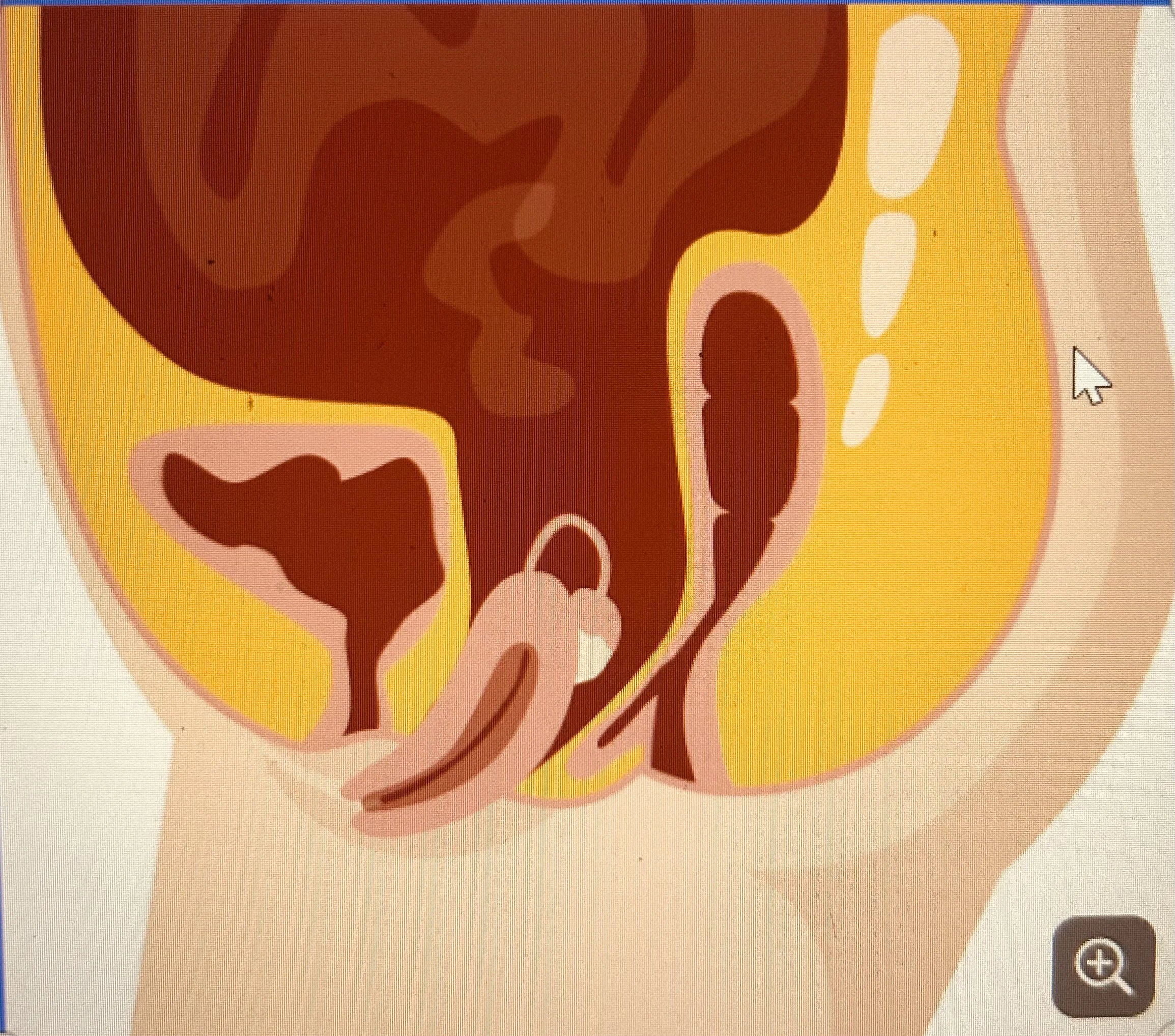
Pelvic organ prolapse (POP) is when one or more pelvic organs descend or bulge into the vagina. This may involve the bladder, uterus, rectum, or a combination of them. It is one of Dr. Emily’s favorite things to treat because she has also experienced prolapse and understands the fear that can come with it.
Up to 50% of women will develop POP at some point in their lives. Symptoms can include a feeling of heaviness or bulging, seeing a lump or bulge, discomfort with sex, difficulty with urination or defecation, and incontinence.
Prolapse usually occurs for a combination of reasons. Laxity in the connective tissues or ligaments that support the pelvic structures can contribute, as can pelvic floor weakness and decreased support of the pelvic organs. Breathing patterns, intra-abdominal pressure, pregnancy, labor, scar tissue, age, connective tissue disorders, and straining with defecation can all play a role.
There are many ways physical therapy can help improve symptoms, and treatment is individualized based on what may be contributing to your prolapse. Breathing is often a helpful starting point. Improving breathing mechanics can help diminish intra-abdominal pressure and reduce pressure on the pelvic floor. Body mechanics and strengthening can also help improve pelvic organ support.
Pessaries are another option that can help with prolapse. A pessary is an intra-vaginal support placed by a healthcare professional trained in pessary fittings to help support the organs. If you think you have prolapse or are curious whether a pessary could help, contact Dr. Emily at (518) 714-0574.
