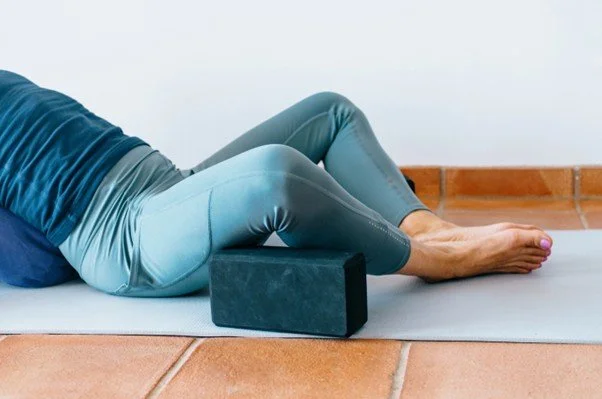
While Kegels often receive the most attention regarding pelvic floor health, the ability of these muscles to relax is just as vital as their ability to contract. To achieve a strong contraction, your muscles must first be able to fully lengthen and relax.
Pelvic floor relaxation is particularly important for leaking, urinary urgency and frequency, pelvic pain or discomfort during intercourse, bowel movements, and childbirth.
The pelvic floor functions much like a trampoline: moving down with relaxation and up with contraction. It is also deeply connected to your breath. When you inhale, the pelvic floor should relax and descend; when you exhale, it should lift. Mastering this natural coordination is essential for reducing leaking during activities like laughing, coughing, or sneezing. It can also decrease straining with bowel movements and decrease pelvic pain.
Because of this connection, proper breathing is a cornerstone of pelvic floor therapy. Learning to use your diaphragm and synchronize it with your pelvic floor is a vital step toward better health. While Kegels may sometimes have a place in treatment, pelvic floor therapy encompasses much more than just a single exercise.
Our approach involves a comprehensive range of techniques designed to address the root causes of pelvic health issues and improve overall function. If you have questions about how this therapy can benefit you, please feel free to reach out.
